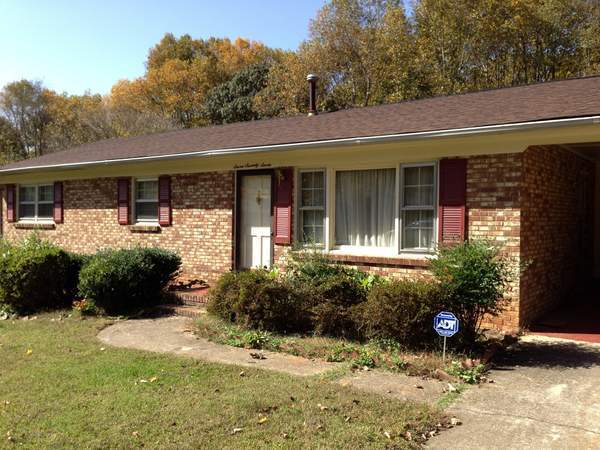
Older homes often come with unique charm and character, but they may also harbor hidden damage that is not immediately obvious. Identifying these issues is crucial for homeowners and potential buyers, as they can significantly impact the property’s safety and value. Professional home inspections play a vital role in uncovering these cryptic clues, ensuring informed decisions are made regarding necessary repairs or renovations.
Identifying Structural Concerns
Structural damage can be one of the most critical issues in older homes. Foundation cracks, for instance, typically indicate potential problems such as settling or moisture intrusion. Inspectors often measure these cracks to determine their severity. Cracks wider than 1/4 inch or those that run horizontally may signal significant structural issues that require immediate attention.
Additionally, sagging floors and misaligned doors or windows can indicate underlying structural problems. These signs may suggest shifting foundations or deteriorating support beams. Homeowners and buyers should seek professional evaluation to assess the full extent of these issues and determine appropriate remediation measures.
Uncovering Hidden Moisture and Mold
Moisture intrusion is another common concern in older properties. It can lead to mold growth, which poses health risks and affects indoor air quality. Home inspectors use specialized tools, such as moisture meters and thermal imaging cameras, to detect hidden moisture behind walls and under floors.
- Inspecting basements and crawl spaces for signs of water damage or mold
- Checking for musty odors, which often indicate mold presence
- Evaluating attic ventilation to prevent moisture accumulation
Regular maintenance and prompt attention to moisture issues can help prevent mold growth and preserve the home’s structural integrity.
Evaluating Electrical and Plumbing Systems
Older homes may feature outdated electrical and plumbing systems that do not meet current safety standards. Knob-and-tube wiring, for example, is an obsolete electrical system that can pose fire hazards. Professional inspectors often recommend upgrading to modern wiring to ensure safety and compliance with local codes.
Similarly, galvanized pipes, commonly found in older homes, are prone to corrosion and leaks. Replacing these with copper or PEX piping can prevent water quality issues and leaks. Inspectors can provide guidance on necessary updates to bring these systems up to current standards.
In summary, older homes may hide a range of issues that require professional evaluation. Identifying and addressing these problems early can save homeowners from costly repairs and ensure the property’s safety and longevity. Engaging professional home inspection services is a wise step in maintaining the value and integrity of a cherished home.