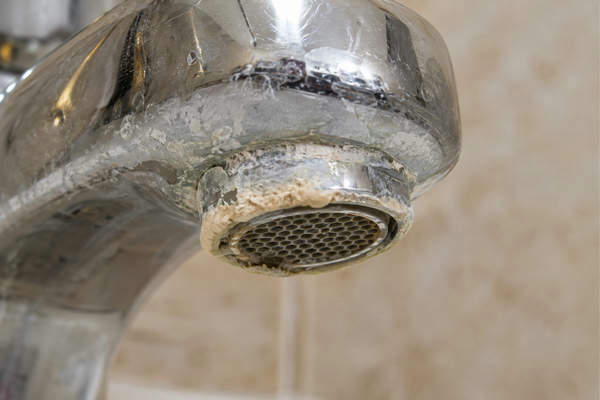
Many homeowners are familiar with the frustration of reduced water flow or unsightly stains in their plumbing fixtures. These issues often stem from mineral buildup, a common occurrence that affects property value and functionality. Understanding the causes of mineral buildup is essential for maintaining plumbing efficiency and longevity.
What Causes Mineral Buildup?
Mineral buildup, primarily consisting of calcium and magnesium, occurs when hard water flows through plumbing systems. Hard water, defined by a high mineral content, leaves deposits as it evaporates, leading to accumulation over time. This buildup can result in reduced water flow, clogged fixtures, and even damage to plumbing systems.
- Calcium Carbonate: A common component in hard water, calcium carbonate forms scale as water heats up, commonly affecting water heaters and faucets.
- Magnesium: Though less prevalent, magnesium contributes to scale formation, particularly in hot water systems.
The rate of mineral buildup is influenced by water temperature and mineral concentration. Regions with particularly hard water see faster accumulation, necessitating frequent maintenance.
Preventing Mineral Buildup
Addressing mineral buildup involves both prevention and maintenance. Homeowners are advised to adopt the following practices:
- Regular Cleaning: Regularly cleaning plumbing fixtures with vinegar or specialized descaling agents can help dissolve existing deposits.
- Water Softeners: Installing a water softener can reduce the mineral content in water, significantly slowing the buildup process.
- Routine Inspections: Periodic inspections of plumbing systems can identify early signs of buildup, allowing for timely intervention.
The Role of Professional Inspections
While homeowners can manage minor mineral buildup, professional inspections provide a comprehensive assessment of a property’s plumbing system. Inspectors visually examine accessible fixtures and note signs of mineral buildup, advising further evaluation by a plumbing specialist when necessary. This proactive approach helps maintain efficient plumbing systems and preserves property value.
In conclusion, understanding and addressing mineral buildup is crucial for maintaining functional plumbing systems. Regular maintenance combined with professional inspections ensures that potential issues are identified early, preventing costly repairs and enhancing property value.